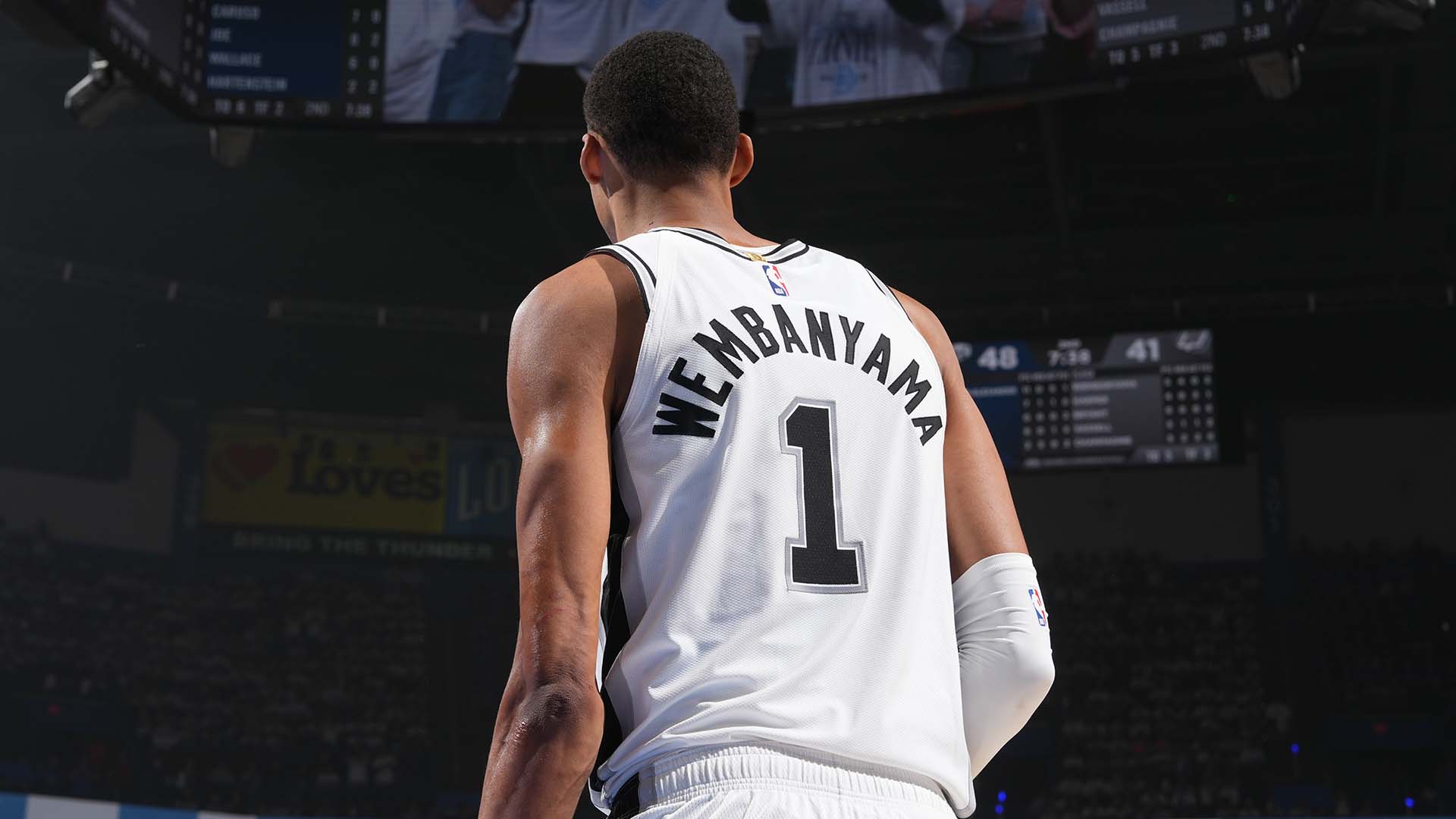
Wemby is here
Fri-Day! Yes! And as you roll into the weekend, here’s a quick guide with a few things worthy of your precious free time…
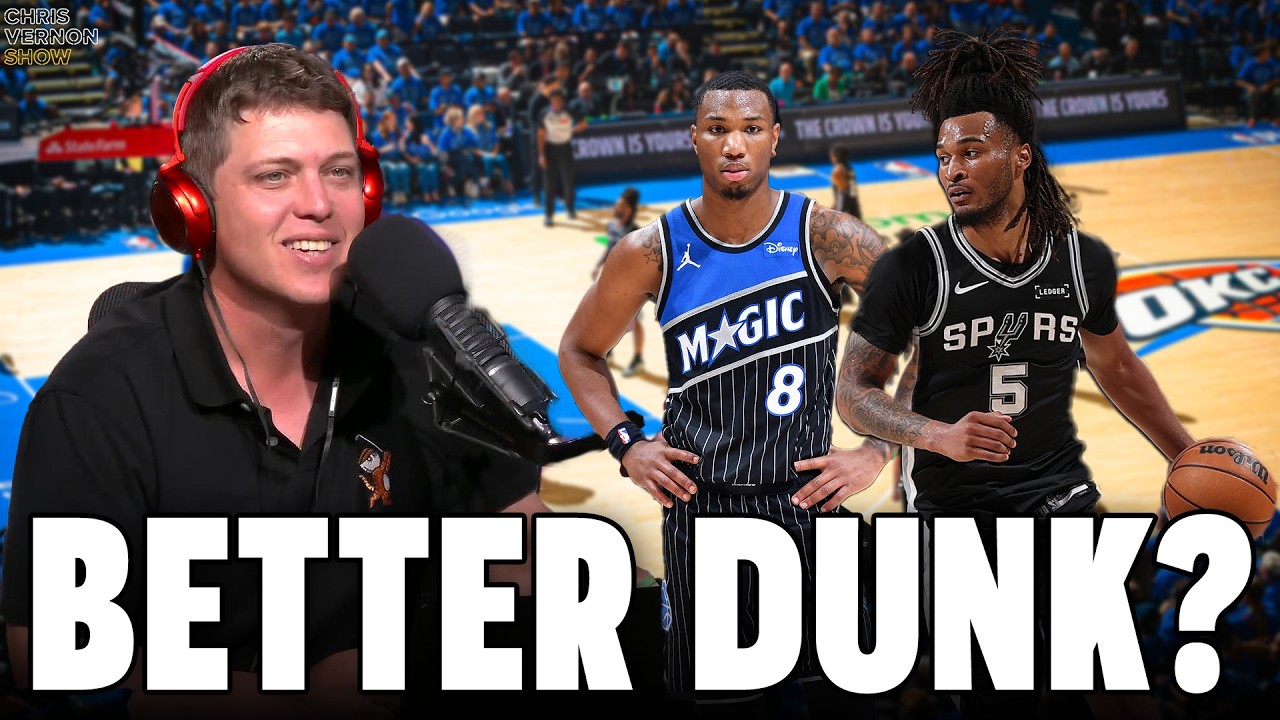
Wemby Is Here
Friends, I have seen some things in my days. I watched a young Shaq pull down whole baskets, shot clock and all. I saw a 40-year-old Michael Jordan return from retirement and average 20 points per game. I witnessed a man who jumped over a car and dunked a basketball. I was in the gym when an 18-year-old Dwight Howard shattered a backboard. But I don’t know if I’ve ever seen anything quite like Victor Wembenyama from the San Antonio Spurs.
Wemby stands roughly nine feet tall, can dunk with his elbows, block shots with his feet and shoot granny-style from halfcourt. I don’t actually think any of these things are actually true, except maybe the nine feet tall thing. But the point is that after seeing Victor Wembenyama play, all those things certainly feel as though they could be factual. Watching Wemby in these NBA Playoffs, it feels as though anything is within reach.
Wemby’s singular combination of size and skill suggest something completely fictional, perhaps a Hobbit character. He isn’t the most polished player in the NBA, and his size advantage sometimes works as a disadvantage, making him seem awkward or unsettled, like a baby deer unsure of how to stand. But friend, despite all that, sometimes Wemby does things that you’ve never, ever seen, things that I’ve never seen. And he’s got the Spurs already with home court advantage against the mighty Oklahoma City Thunder.
What’s really remarkable is that at barely 22 years old, Wemby is still developing, as a player and a person, but all signs point toward him being transformational. Throw in the usual caveats here—as long as he stays healthy, etc.—but this man really is something else. His performance in Game One of the Western Conference Finals was outrageous—alley-oops without jumping, logo three-pointers, making opposing players literally turn and run away from their basket. It was the kind of game that I find myself still trying to process two days later.
Over spring break, my family visited Europe, and while in Paris I caught up with my friend Pascal, a veteran French basketball journalist. Over lunch one day, Pascal told me a story about Wemby’s agent, who went with him to visit a monastery. The monks had Victor do an exercise where you sit on the ground cross-legged for a couple of hours, and Wemby asked the agent to do it with him. Sounds pretty easy, right? You just sit and think. Well, it was easier than it sounds, according to the agent—after a while, his legs started cramping, his torso was trembling, he began to sweat, and soon his body wanted to do anything but sit still on the ground. Meanwhile, there was Wemby, all seven-plus feet of him, coiled peacefully, thinking of who knows what.
The most fun part about Wemby is that there are really no limits to imagining what he might be able to do. Meanwhile, the worst part about Wemby is having to use those caveats about health. Because the future can be a fickle partner, and we literally have no idea how a body as extreme as Wemby’s will hold up to a career of being pushed and pulled, which seems to be Oklahoma City’s main method of neutralizing Wemby. If he manages to avoid serious injury, it’s pretty clear that Wemby is going to write a lot of records heading forward. And he may be against us, Grizzlies fans, but you know what? He sure is fun to watch.
Blurring the Lines
RJ Luis was the 2025 Big East Player of the Year for St. John’s, averaging 18.2 points per game in 35 appearances. He finished the season as a second-team All-American, and despite having several promising offers in the sometimes-lucrative college basketball transfer portal, Luis ended up chasing his dreams and entering the NBA Draft, where he went undrafted.
Although Luis wasn’t picked, he signed a two-way contract with the Utah Jazz, which would in theory allow him to bounce back and forth between the NBA and the G-League. But before the season even started, the Jazz included Luis in a trade to the Boston Celtics. The Celtics then waived Luis and re-signed him to their own G-League team, where he spent last season with the Maine Red Claws.
Earlier this week, it was announced that Luis had found a new team, and signed with… LSU? Yes, Luis had signed with a college basketball program.
Luis’s lawyers will argue that he can return to school because he’s still within five years of graduating from high school, and he never played a game in the NBA. Which is all technically true. We’ve seen a handful of other players with G-League experience go to court in an attempt to matriculate back to school, but all of the players who have eventually been deemed eligible never signed a two-way NBA contract; the one player who did sign a two-way contract and attempted to return to school, Charles Bediako at Alabama, was not allowed to go back.
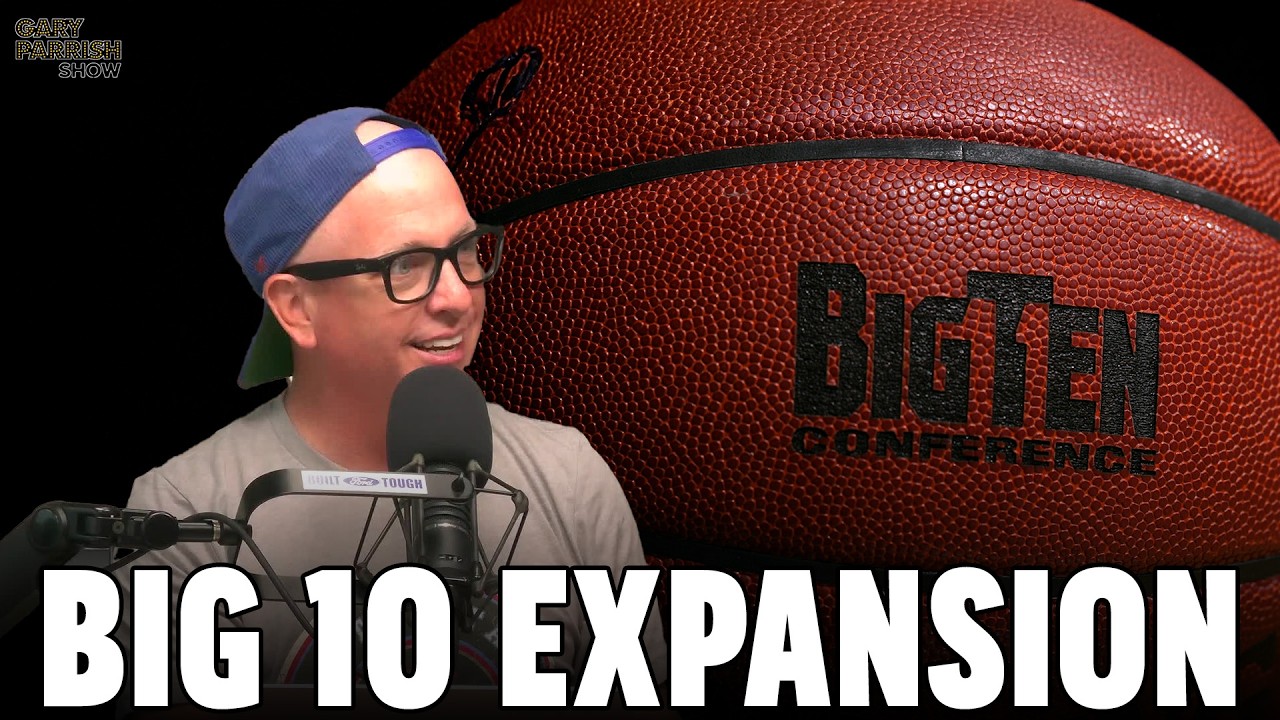
Last weekend here in Memphis, the Nike EYBL circuit rolled into the Memphis Sports and Event Center. EYBL is basically a collection of elite AAU travel teams, featuring players who will one day play major college basketball, if not make it to the NBA. And what was interesting to me was seeing the collection of college coaches who were there—Duke’s John Scheyer, UNC’s Mike Malone, Memphis’s Penny Hardaway, Michigan State’s Tom Izzo, Arkansas’s John Calipari. Everywhere you looked, the biggest names in college coaching were standing around, shaking hands and getting an in-person glimpse at the next wave of talent. And, perhaps more importantly, letting the next wave know that they were interested in them.
I don’t know what will happen with Luis, and LSU in particular seems to be very focused on seeing just how far collegiate eligibility rules can bend. Flying around the country to watch high schoolers is one way of building a winner. So is trolling the G-League waiver wire, I suppose. Either way, it’s a reminder that college sports today are nothing like they were even a few years ago.
Leverage
Words matter to me. As someone who makes a living by arranging and re-arranging words into a (somewhat) compelling order, I tend to notice words, the exact way that people express themselves.
As a baseball fan, one word I’ve heard more this year than ever before is “leverage,” specifically in relation to relief pitchers. Where some guys used to be more reliable or some players were ground ball specialists, now relievers are placed into one of two groups: high leverage, or low leverage.
A close game with runners on? Here comes one of the “high leverage” pitchers. Down six runs? The manager will turn to one of his “lower leverage” pitchers.
So as it turns out, “leverage” is basically just a polite way of designating whether or not a player is any good. This guy is good! Let’s use him when it really matters. That guy isn’t very good, we’ll bring him in when it isn’t that close. I’m not sure why we’re afraid to just say it like it is?
Odds and Ends…
- Scientists have hatched real chicks from an artificial egg. Can we make watching the Jurassic Park series a requirement in science school?…
- The Mandalorian and Grogu drops this weekend, which I’m pretty fired up about. Here’s a guide to all the different lightsabers in the Star Wars universe, for the nerds in your life…
- Some good news from the airports: We are allowed to carry rotisserie chickens in our carry-on luggage…
- I’m all-in on this upcoming documentary about Girl Scout cookies…
- Did you know cucumbers used to be called “cowcumbers” and “earth apples”?…
- Hooters wants you to bring your kids. I’m pretty sure my son would be OK with this…
- Long weekend ahead: Throw some ribs on the grill…